

Dressing Room vs Walk-In Closet: Key Differences, Layouts, and Use Cases

Picking between a dressing room and a walk-in closet goes beyond simple names. This choice impacts the amount of room required. It shapes how cabinets get built. It affects how well storage holds up over the years. And it influences how pleasant daily routines become. Plenty of homeowners, designers, and builders mix up these terms. As a result, they end up with flawed setups, unused floor area, or cabinets that fail to fit real needs.
This guide breaks down the true gaps between dressing rooms and walk-in closets. It covers definitions and typical sizes. It also touches on setup strategies, cabinet needs, and real-world examples. The aim is to guide you toward a practical choice. That choice should match how the area will truly serve you.
What Is a Walk-In Closet?
Walk-In Closet Meaning and Core Function
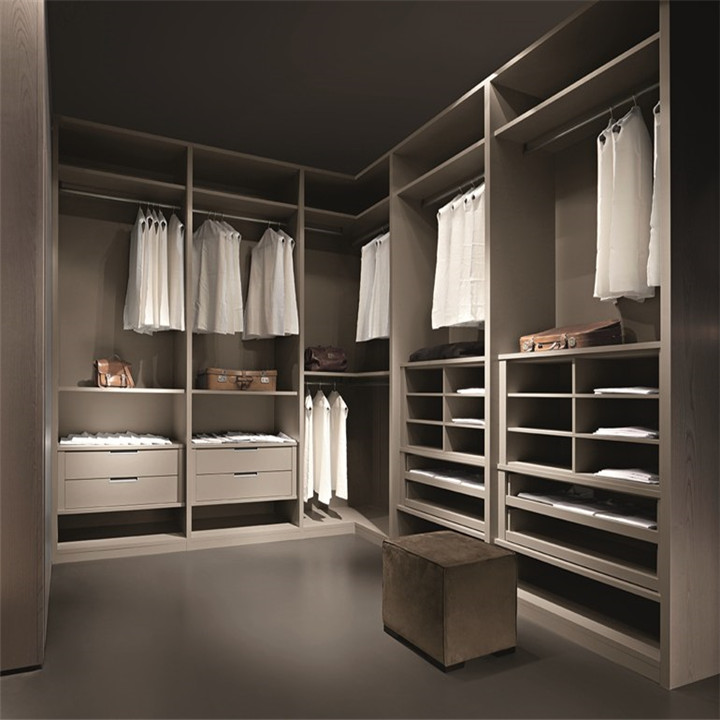
A walk-in closet serves as a storage-centered enclosed area. It lets someone step in and reach clothes and items from various angles. Its main job focuses on smart storage and sorting. It does not aim for ease or prolonged stays.
Walk-in closets differ from standalone wardrobes. They often form built-in setups. These integrate with walls, cabinet depths, and ceiling levels. In pro custom cabinet work, firms like Refor Furniture view built-in cabinets as linked wall setups. They treat them as more than separate pieces. This approach keeps sizes steady. It also ensures lasting build strength.
You see them a lot in flats, regular houses, and builds where space use counts highly.
Standard Walk-In Closet Sizes
A walk-in closet can work without being huge. But it must have the right shape and scale.
Basic smallest measures include:
-
Width: 1.4–1.6 m (single-sided layout)
-
Depth: 1.5–1.8 m
-
Clear walkway: at least 800–900 mm
Popular setups feature:
-
Single-wall layout (one side storage, one side walkway)
-
Double-wall layout (storage on both sides)
-
U-shaped layout (three-sided storage, requires more space)
Designers and factory cabinet plans often use these sizes. They help make sure drawers, doors, and hanging areas run smoothly without clashes.
Typical Features of a Walk-In Closet
-
Hanging rails (short and long)
-
Shelving for folded clothes
-
Drawer units for accessories
-
Shoe racks or pull-out shoe drawers
-
Overhead cabinets for seasonal storage
Lighting stays practical, not fancy. It often uses LED strips or overhead lights. The focus is on clear sight, not mood.
What Is a Dressing Room?
Dressing Room Definition in Residential Design
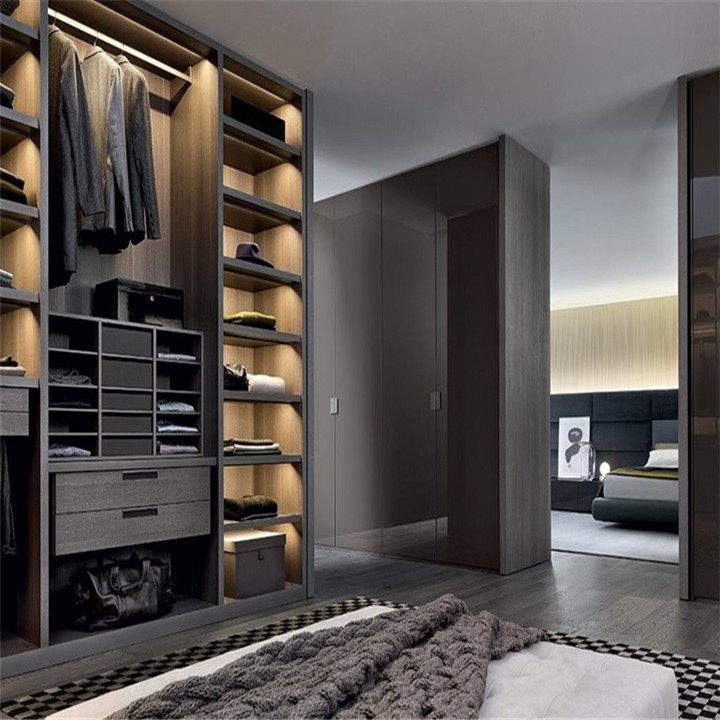
A dressing room acts as a versatile private spot. It blends storage with ease and regular use. It goes beyond just holding clothes. People change, style outfits, and at times unwind there.
In home setups, a dressing room often links the bedroom and bath. Or it becomes part of a main bedroom suite. Unlike walk-in closets, it puts experience and comfort first. It values over-packed storage. This choice shapes cabinet heights, gaps, and material picks directly.
Dressing Room Layout Characteristics
Dressing rooms need more free space than walk-in closets. They call for adaptable planning.
Standard elements cover:
-
Seating (bench, chair, or ottoman)
-
Full-length mirrors or mirror walls
-
Central island cabinets
-
Open display sections
-
Vanity or makeup counter (in some layouts)
From a production angle, dressing rooms require tight control on cabinet sizes and finishes. In big custom jobs by outfits like Hangzhou Refor Furniture Co., Ltd., this accuracy comes from machine-guided work. It avoids field tweaks.
The movement area stays wider on purpose. It supports walking, turning, and extended time inside.
When a Dressing Room Makes Sense
-
Large master bedrooms or villas
-
Luxury apartments
-
Whole-house customization projects
-
Homes where wardrobe space also serves as a lifestyle space
Dressing Room vs Walk-In Closet: Key Differences
Function: Storage vs Experience
The main gap shows in usage patterns.
| Aspect | Walk-In Closet | Dressing Room |
| Primary goal | Efficient storage | Comfort + storage |
| Time spent | Short, task-based | Longer, daily use |
| Furniture | Mostly built-in cabinets | Cabinets + seating |
| Design focus | Capacity and organization | Space and experience |
If quick, tidy access to clothes is key, a walk-in closet does the job. When the spot handles dressing, outfit planning, or group use, a dressing room fits better.
Space Requirements
Walk-in closets manage fine in compact areas. Dressing rooms rarely do.
-
Walk-in closet: 2–4 m² usable area
-
Dressing room: 5–10 m² or more
Ceiling height plays a role, too. Dressing rooms gain from taller ceilings. They prevent a closed-off vibe, particularly with islands or high display units.
Cabinetry and Furniture Needs
Walk-in closets lean on upright storage smarts:
-
Deeper upper cabinets
-
More hanging space
-
Compact drawer modules
Dressing rooms handle cabinets in fresh ways:
-
Lower cabinet heights for visual openness
-
Display-style cabinets
-
Islands with drawers accessed from multiple sides
These shifts influence cabinet depth, build, and production leeway.
Cost and Customization Level
Dressing rooms often run pricier because of:
-
Larger area requirements
-
Increased material usage
-
Higher customization levels
-
Additional furniture elements
Walk-in closets lend themselves to modular and standard builds. That makes them cheaper in typical home jobs.
Walk-In Closet vs Wardrobe vs Dressing Room
People often wonder about wardrobes, too. This comes up especially in places where “closet” is not a common word.
-
Wardrobe: Freestanding or built-in furniture unit with fixed dimensions
-
Walk-in closet: A room-scale storage system
-
Dressing room: A room-scale lifestyle space
Wardrobes suit tiny bedrooms or rented spots well. Walk-in closets and dressing rooms fit owned places and lasting homes better.
Layout Planning Tips
Walk-In Closet Layout Best Practices
-
Keep hanging depth between 500–600 mm
-
Maintain at least 800 mm clear walkway
-
Place drawers between knee and waist height
-
Use upper cabinets for seasonal or low-frequency items
Bad planning creates jammed drawers, wasted corners, or doors that bump into paths.
Dressing Room Layout Best Practices
-
Minimum 900–1000 mm circulation around islands
-
Seating positioned away from cabinet access zones
-
Mirrors placed to reflect natural or vertical lighting
-
Avoid overloading walls with full-height cabinets
A solid dressing room design feels airy, even when loaded with pieces.
Materials and Cabinet Construction Considerations
Cabinets in closets and dressing rooms face constant pulls, slides, and touches. How well they endure ties is more about building quality than looks.
Important factors include:
-
Panel stability and thickness
-
Edge sealing quality to prevent moisture intrusion
-
Precision machining for consistent alignment
-
Standardized production for uniform cabinet sizing
Firms like Refor Furniture stress machine processing and strong edge seals. They do this because tiny flaws show up in tall systems and linked dressing room designs.
Which One Should You Choose?
Go for a walk-in closet if:
-
Space is limited
-
Storage efficiency is the priority
-
The room is used briefly and frequently
-
Budget control matters
Opt for a dressing room if:
-
Space allows comfort-oriented planning
-
The room is part of a master suite
-
Seating, mirrors, and display are important
-
Customization and lifestyle value matter
Lots of current homes mix things up. They pair walk-in closet smarts with a few dressing room touches.
Common Design Mistakes to Avoid
-
Treating closet-sized spaces as dressing rooms
-
Underestimating circulation and door swing
-
Using deep cabinets in narrow layouts
-
Planning lighting after cabinetry installation
-
Selecting materials without considering long-term wear
Such errors cost a lot. They prove hard to fix after the cabinets go in.
Conclusion
The split between a dressing room and a walk-in closet centers on purpose, area, and habits. Walk-in closets stress storage smarts. Dressing rooms highlight ease and feel. Grasping this helps craft stronger setups. It boosts cabinet results. And it brings more joy over time.
Frequently Asked Questions (FAQ)
1. Is a dressing room always bigger than a walk-in closet?
In most cases, yes. Dressing rooms require additional circulation space, seating, or islands.
2. How much space do you need for a functional walk-in closet?
Around 2 m² can work if the layout is single-sided and properly planned.
3. Can a walk-in closet include seating?
Yes, but seating should be compact. Extensive seating usually shifts the space toward a dressing room function.
4. What cabinet depth works best for walk-in closets?
Hanging sections typically require 500–600 mm depth. Deeper cabinets can reduce usable circulation space.
5. Is a dressing room worth the extra cost?
For large homes and long-term residences, yes. For compact spaces, a well-designed walk-in closet is often more practical.


