

How to Choose a Cabinet Manufacturer and Avoid Common Mistakes
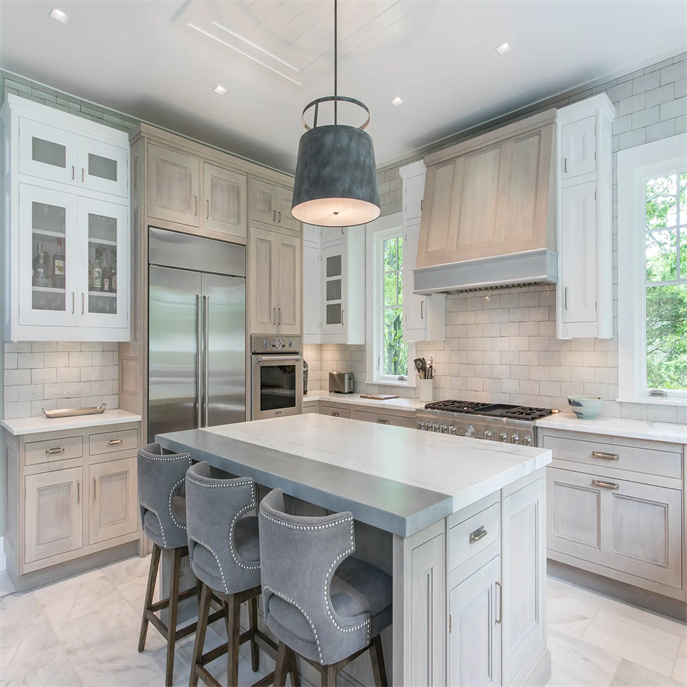
Picking a cabinet maker is among the biggest choices for builders, room planners, and furniture sellers. The cabinet field now centers on exact building methods and eco-friendly stuff. Yet, plenty of buyers still hit usual pitfalls. To handle this area well, you need a clear view of making tools, board knowledge, and delivery stability. This overview looks at ways to get good at finding suppliers. It points out the main points that set top factories apart from weak ones.
The High Cost of Initial Missteps in Procurement
The usual cabinet manufacturer selection mistakes come from too much stress on the “cost of each piece” alone. This skips the full price over time. A cheap starting bid looks good at first. But it often hides extra fees like lots of flaws, late deliveries, and weak build. In cabinets, a bargain unit that bends in damp spots or shows uneven sizes can mess up a big money job.
Smart shoppers go past the basic look of display models. True worth shows in the factory’s core setup. That includes their tools, dampness checks in storage spots, and strict checks on quality (QC). Skipping these basics ranks high among the key mistakes to avoid when picking a cabinet manufacturer. A solid team should share details on where they get raw goods. They also need to hit global safety marks. This makes sure what reaches users is safe and lasts long.
Technical Superiority and Production Standardization
A main way to stand out in today’s market is the amount of auto work in the plant. Refor Furniture runs from a 3,500-square-meter site. There, making different boards happens under computer control with top gear from Germany. This tech spend goes beyond just quick work. It cuts out people’s errors. When boards get cut and holed by CNC tools, the fits stay within tiny bits of a millimeter. As a result, each cabinet frame stays perfectly even. That makes setup on the job simple.
Also, one quality characteristic for cabinet manufacturers tops the list for steady results. In a large home build, the 500th kitchen needs to match the first in build. Even output only works if a maker drops handwork for key links and outer layers. With set machine making, firms hold a matching quality that fits the tight European and USA rules. This gives calm to global sellers who can’t check each box.
The Critical Role of Edge Sealing and Moisture Resistance
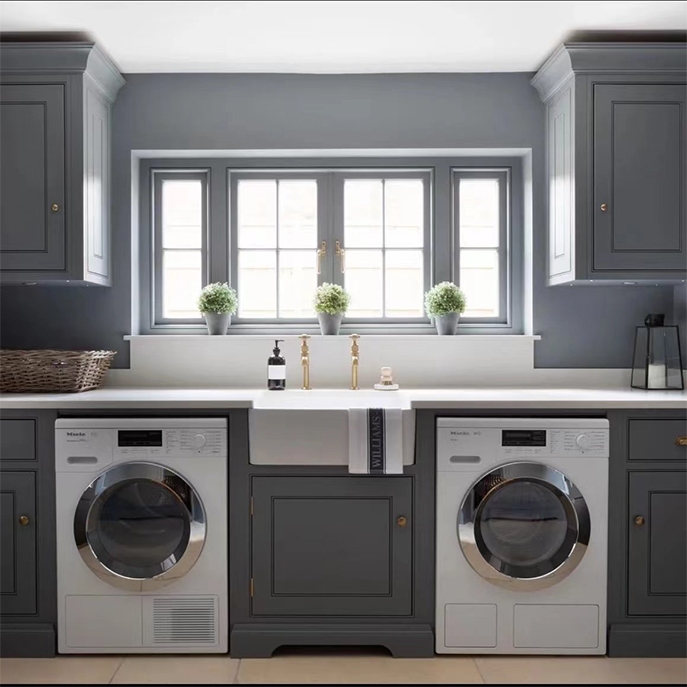
In wet areas such as cooking spots and washrooms, how long furniture lasts depends on the edge covering quality. Old hand-edge taping leaves small openings. There, vapor and liquid sneak in. Over time, this makes the wood base puff up and the top layer lifts off. Today’s buyers want “smooth” ends that look good and guard like heavy-duty work.
New ways fix this problem. For example, Refor Furniture uses special edge-cover skills. This makes boards with much better guard against wet. The method guarantees no clear space between the edge tape and board face. Folks often miss this point in early bids. But it plays a big part in keeping buyers happy for years. When checking teams, ask for a cut view of a covered board. Try a soak test too. This stops major cabinet maker selection blunders down the road in your work.
Strategic Considerations for Wardrobe and Closet Sourcing
Needs for sleep area cabinets vary a bit from kitchen ones. When choosing a wardrobe supplier, attention turns to inside fittings, quiet-close parts, and choices for door covers. Wardrobes use big upright boards. These bend easily if the stuff isn’t dried or evened properly.
A trusty source for wardrobes should give many material types. That ranges from MFC (Melamine Faced Chipboard) to fancy wood layers. They need skills to add tricky extras like slide-out pants holders, built-in light strips, and gem safes. Offering a full setup for both kitchen and sleep cabinets helps sellers a ton. It keeps a steady style across the house. Plus, it makes delivery paths easier.
Logistics and Distributor Support Systems
Past the actual item, a maker’s help style is a key part of a good link. Lots of overseas shoppers face cabinet maker selection blunders tied to talk and post-sale aid. A plant that builds fine cabinets but skips right 3D plans, plain build guides, or on-time send news becomes a drag, not a plus.
Top makers lift their teams by seeing the tie as a shared effort, not just a sale. Refor Furniture shows this well. We have helped over 80+ sellers grow their work by 30-50% with full backing. This covers seller rates, skill lessons for sales groups, and no-cost 3D plan help. Such aid means the seller offers more than a box. They provide a whole, pro-planned room fix.
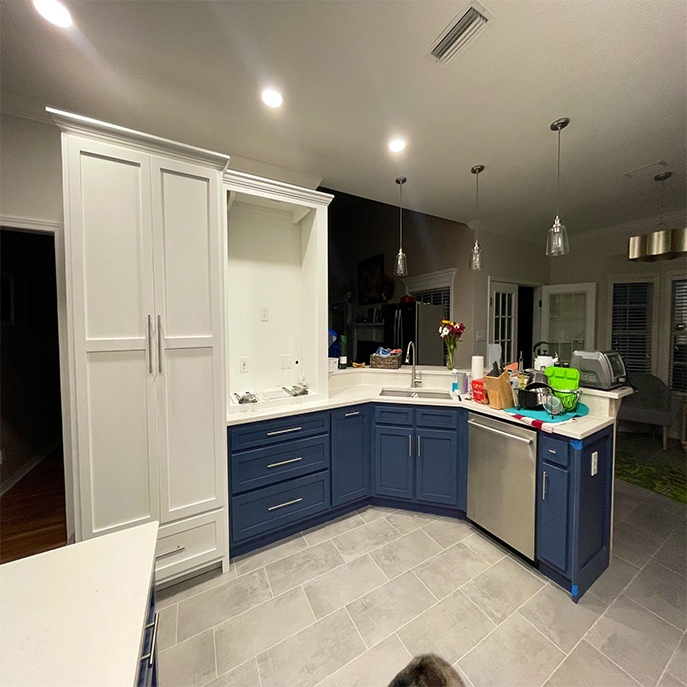
Comparison of Manufacturer Attributes: High-End vs. Standard
| Feature | High-End Manufacturer (e.g., Refor) | Standard/Small Workshop |
| Machinery Source | German-engineered (HOMAG/Similar) | Local or manual tools |
| Edge Sealing | Seamless, Moisture-proof | Visible gaps, glue-line issues |
| Design Support | Full 3D/CAD Integration | Limited or no design help |
| Quality Standard | Europe & USA Compliance | Variable/Internal only |
| Capacity | Scalable (Thousands of units/mo) | Limited by labor |
Final Thoughts on Partnership Longevity
Getting good at finding sources means seeing beyond sales shine to the real work in the plant. By putting first even tech, wet-guard edge covers, and strong help setups, buyers can skip the usual cabinet manufacturer selection mistakes that hurt the field. Choosing a team that puts money into German tools and sticks to world-class quality rules is the best path. It makes sure your jobs finish on time, in budget, and better than what clients hope for.
Frequently Asked Questions
What are the most common cabinet manufacturer selection mistakes regarding materials?
The most common mistake is assuming all “waterproof” or “moisture-resistant” boards are equal. Many suppliers use low-density cores with poor edge banding. You should always verify the density of the board and, more importantly, the technology used for edge sealing, as the seal is the first line of defense against moisture.
How can I identify one quality characteristic for cabinet manufacturers during a factory tour?
Look at the edge-sealing machine and the finished panels. If you can see a glue line or a tiny gap between the laminate and the edge band, the quality is insufficient for high-end or humid environments. A high-quality manufacturer will produce a “zero-joint” or nearly invisible seam.
What should I look for when choosing a wardrobe supplier for a large development?
Focus on the versatility of their internal configurations and the quality of their sliding door tracks or hinges. Large wardrobe panels require high-quality, stable substrates to prevent bowing over time. Additionally, check if they offer integrated accessories like lighting and organizational inserts.
How can I avoid cabinet maker selection blunders during the shipping process?
Ensure the manufacturer uses “flat-pack” or “RTA” (Ready-to-Assemble) packaging that is reinforced with corner protectors and moisture-proof wrapping. Ask about their experience with international shipping and whether they provide a detailed packing list that corresponds with the assembly drawings.
·


