

Which Cabinet Is Best for Your Modular Kitchen Design Project
For most modular kitchen projects—especially export or developer builds—the most suitable cabinet option is a moisture-proof plywood base with sealed edge finishing and a laminate or acrylic surface. This mix delivers a strong blend of durability, looks, and budget management. It suits kitchens that see heavy use over many years.
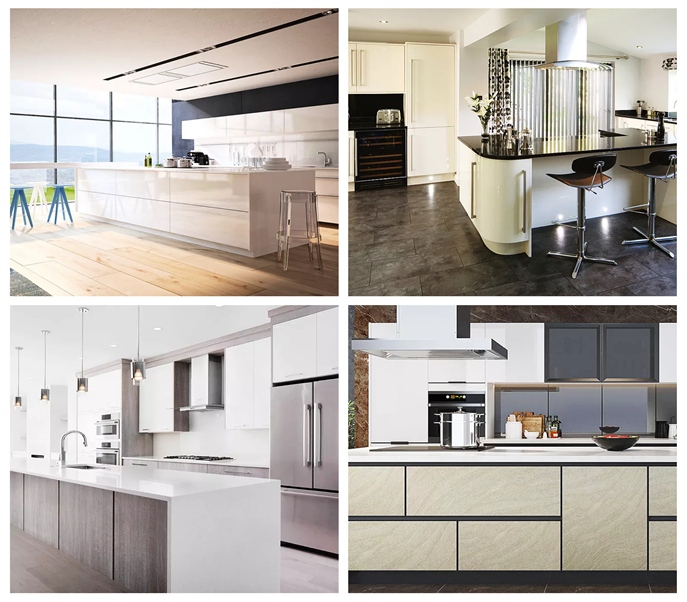
Introduction to Modular Kitchen Cabinets
The modular kitchen trend has totally shifted how homeowners and contractors plan kitchens. Unlike old-school carpentry done on-site, modular systems get precision-engineered ahead of time. They are built in controlled factories and set up in far less time. The cabinet sits at the heart of any modular kitchen. It defines layout, storage, and everyday function. Picking the right cabinet material and construction goes beyond appearance. It decides how well the kitchen stands up to daily wear, moisture, and temperature swings for years.
Types of Cabinets for Modular Kitchen Design
Base Cabinets – The Foundation of Every Layout
These units create the lower level of your kitchen. They support countertops, sinks, and large appliances. Refor Furniture crafts modern modular base cabinets with automated CNC machinery for exact accuracy in each part. Every component fits perfectly. This leads to easier setup and dependable alignment in big export runs.
Wall Cabinets – Maximizing Vertical Space
Wall-hung storage helps you use height wisely, especially in small urban flats. Refor’s edge-sealed wall cabinets meet European quality standards. They block moisture and maintain firmness in wet conditions.
Tall Units and Pantries – Smart Storage Solutions
Tall cabinets stretch storage upward for pantry items or built-in ovens. Their modular design permits full-height fitting without site adjustments. This works great for rushed housing projects.
Corner and Functional Cabinets – Using Every Inch
Corner units with slide-out trays or rotating shelves save wasted space. Refor’s corner systems feature moisture-sealed joints and finely tuned hinges. No gaps show even after years of service.

Comparing Cabinet Materials: Which Performs Best?
| Material Type | Durability | Moisture Resistance | Cost Level | Ideal Use |
| Plywood | ★★★★★ | ★★★★★ | $$ $ | High-end or humid markets |
| MDF | ★★★ | ★★ | $$ | Mass housing, budget builds |
| Particle Board | ★★ | ★★ | $ | Temporary installations |
| PVC | ★★★★ | ★★★★★ | $$ $ | Coastal or commercial areas |
| Hybrid (plywood + MDF) | ★★★★★ | ★★★★ | $$$ | Mixed-design projects |
Plywood Cabinets – Durable and Moisture-Resistant
Plywood stays the top pick for luxury modular kitchens. Its layered build fights warping and manages humidity better than alternatives. Refor’s plywood panels comply with EU and U.S. standards. They provide steady performance in varied weather.
MDF and Particle Board – Affordable and Uniform
For builders on big housing jobs, MDF and particle board give even surfaces at a lower cost. Paired with laminate or PVC wrapping, they deliver a clean, modern look for rentals or mid-level builds.
PVC and Aluminium – Best for High-Humidity Settings
PVC cabinets lead in seaside areas. They repel water and insects. Aluminium frames cost more but offer an outstanding lifespan in hotels, eateries, and busy spots.
Hybrid Designs – Balancing Form and Function
Hybrid designs combine plywood strength with MDF smoothness or aluminium edges. They offer versatility and solidity. Export buyers love them for varying local tastes.
Surface Finishes That Transform Cabinet Aesthetics
Laminate Finishes – Practical and Durable
Laminates resist stains, scratches, and routine use well. They are popular in busy homes. Refor’s laminated cabinet series uses exact edge banding for a smooth, unbroken look.
Acrylic and High-Gloss Finishes – Elegant and Modern
Acrylic finishes bring a shiny, light-boosting glow. They build a fresh, current vibe. Check Refor’s navy blue and white mix-and-match shaker-style cabinets. Two-tone setups lift compact or open kitchens.
Wood Veneer and Matte Paint – Timeless Appeal
Wood veneer adds warmth and grain. Matte finishes give a sleek, understated style. Sealed right, both hold color and surface quality. No warping or fading occurs.
Edge Sealing Technology – Small Detail, Big Difference
With German edge-banding tools, Refor creates zero-gap sealing. This hidden shield stops moisture and lengthens cabinet life. It matters for shipments facing different climates.

How Manufacturing Quality Shapes Longevity
Every Refor cabinet blends automation and skilled work. The plant covers over 3,500 m². It holds CNC routers, panel saws, and edge-banding machines from Germany. Staff monitor accuracy instead of hand-cutting. Output stays uniform to the millimeter. The process cuts mistakes, sets doors straight, and drills correctly. These points matter for ongoing global orders.
Selecting the Right Cabinet for Your Project Goals
Budget vs. Durability
Entry-level projects do well with MDF cabinets in laminate finishes. They fit money and style needs. For luxury homes or lasting builds, moisture-proof plywood is the top choice.
Climate Adaptation
In wet or seaside zones, sealed-edge choices like Refor’s kitchen cabinet collection give extended life and simple care.
Design Consistency
Automated making guarantees matching color, dimensions, and finish in thousands of units. Developers get perfect uniformity in large jobs.
Customization and OEM Options
As a leading OEM/ODM maker, Refor Furniture’s product line covers matte shaker doors, glossy acrylic options, and hybrid structures for custom export needs. Buyers get 3D design guidance, color samples, and distributor training to boost project success.
Refor Furniture: Empowering Global Distribution
Refor has aided over 80 distributors globally. It drives 30–50 % growth in their areas. Its B2B support package includes:
-
3D design assistance for proposals and client presentations.
-
Free warehouse access for streamlined export logistics.
-
Sample kits for showrooms, featuring countertops and door panels.
-
Website support for partners building a stronger brand presence.
This setup lets distributors focus on customers. Refor manages exact production and steady supply.
Conclusion: Build Smarter Kitchens with Reliable Cabinets
The perfect modular kitchen cabinet comes from balance. It joins material quality, accuracy, and a trusted maker. Refor Furniture uses CNC technology, zero-gap sealing, and certified materials worldwide. Every supplied kitchen proves tough, attractive, and ready for export. From small apartments to upscale villas, Refor speeds projects, keeps them uniform, and simplifies fitting. → Contact Refor Furniture today to receive complimentary 3D design and material samples for your next kitchen project.
FAQs on Modular Kitchen Cabinets
Q1: What’s the most durable cabinet material for tropical markets?
Plywood with sealed edges remains the strongest and most moisture-resistant solution.
Q2: Can Refor cabinets be customized for specific markets?
Absolutely. Refor provides OEM customization for size, color, and door profiles to match regional demands.
Q3: How long do Refor cabinets last?
With proper use, Refor’s modular units can perform reliably for 15 years or beyond, thanks to advanced sealing and EU-grade production.
Q4: What support do distributors receive?
Refor delivers 3D design service, website setup, and warehouse storage—making global trade simpler and more efficient.


